Why Older Homes in Durham Are Prone to Foundation Issues
If you own a home in Durham, chances are your property has some history. Many of the city's older neighborhoods, including the beloved Trinity Park historic home district, feature houses that are a century or more old. These homes were built with materials and methods that, while charming, were not designed to handle the modern stresses of soil movement, increased runoff from development, and extreme weather cycles. The result is that foundation problems signs often appear gradually and can be easy to overlook until they become serious.
Durham's clay-heavy soil is a major culprit. When it gets wet, it expands; when it dries out, it shrinks. This constant swelling and shrinking puts immense pressure on foundation walls, especially in older homes where the original waterproofing (if any) has long since degraded. Add in the mature trees common in historic neighborhoods, whose roots seek out moisture and can disturb soil stability, and you have a recipe for foundation trouble. Understanding these local factors is the first step in protecting your investment and recognizing when it's time to call a professional for an assessment.
Basement Wall Cracks: What They Mean and When to Worry
Not all cracks are created equal. In older Durham homes, you may notice hairline cracks in the basement walls or floor. These are often caused by the natural curing process of concrete or minor settling and may not indicate a structural emergency. However, certain types of basement wall cracks should raise a red flag. Horizontal cracks, for example, often suggest that the wall is being pushed inward by soil pressure or hydrostatic pressure from waterlogged ground. Stair-step cracks in brick or block foundations can indicate differential settlement, where one part of the foundation is sinking faster than another. Diagonal cracks that widen at the top or bottom are also worth investigating.
If you see any of these more serious crack patterns, it's wise to have a professional take a look. Ignoring them can lead to bigger problems, including bowing basement wall conditions that compromise the structural integrity of your home. A qualified contractor can determine whether the cracks are cosmetic or a sign of Foundation Waterproofing needs. They can also recommend solutions like an Interior Drain Tile System to manage water before it worsens the cracking.
Bowing Basement Walls and Other Structural Red Flags
A bowing basement wall is one of the most serious signs of foundation trouble. It typically occurs when external soil pressure, often exacerbated by water saturation, pushes against the wall until it starts to lean inward. You might notice the wall curving or bulging, and in severe cases, the top of the wall may pull away from the floor joists above. This is not a problem to delay. Bowing walls can lead to structural failure if not addressed, and they often require professional intervention such as carbon fiber reinforcement or wall anchors.
Other structural red flags in older homes include doors and windows that suddenly stick or no longer latch properly, uneven floors, and gaps between exterior walls and the foundation. In a Trinity Park historic home, these issues can be particularly concerning because the architectural details and original materials may be more vulnerable to movement. If you spot any of these foundation problems signs, it's time to schedule a professional inspection. Addressing them early can save you from costly repairs down the line and preserve the character of your historic property.
Water Intrusion: The Silent Foundation Killer
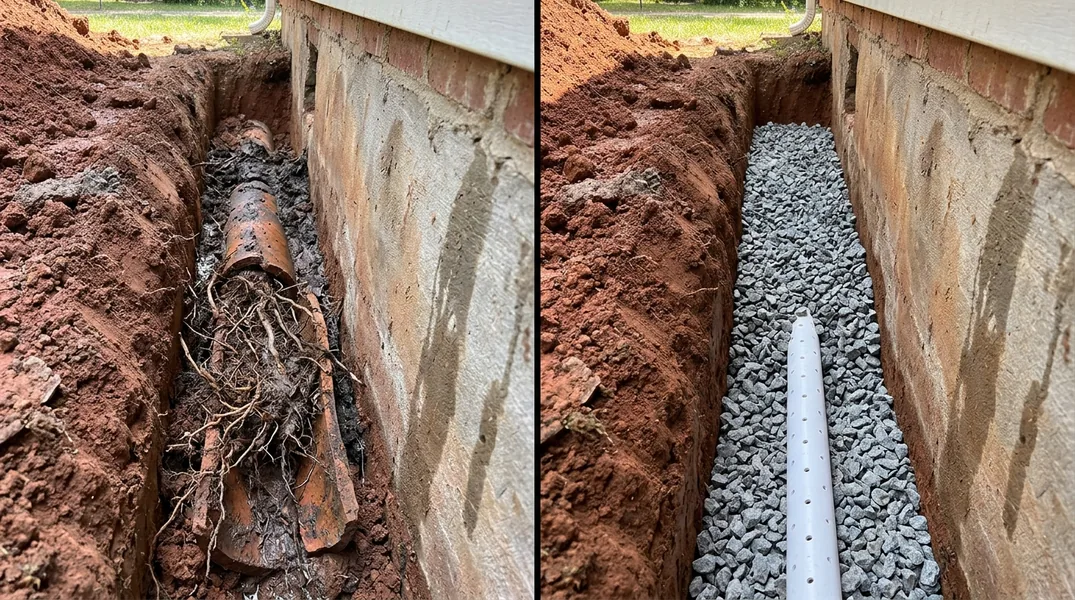
Water is the enemy of any foundation, and in older Durham homes, it often finds its way in through deteriorated mortar joints, porous concrete, or failed exterior drainage systems. You might notice dampness, efflorescence (a white powdery substance on basement walls), or musty odors. These are all indicators that moisture is present and potentially causing damage. Over time, water intrusion can lead to mold growth, wood rot, and the deterioration of the foundation itself. It can also accelerate the cracking and bowing processes mentioned earlier.
To combat this, a comprehensive approach is often necessary. Basement Waterproofing solutions may include interior drainage systems, sump pumps, and vapor barriers to keep the space dry. In some cases, Exterior Basement Waterproofing is recommended to address the problem at its source by improving drainage and sealing the exterior walls. For homeowners in Chapel Hill and Carrboro, similar challenges exist, and local experts can tailor a solution to your specific situation.
Foundation Problems Signs Near Me: When to Call a Professional
If you've read this far and recognized one or more of the issues described, you may be wondering what to do next. The best course of action is to contact a reputable foundation waterproofing company that serves the Durham area. A professional inspection will give you a clear picture of what's happening below grade and what steps are needed to protect your home. At Durham Waterproofing, we specialize in diagnosing and repairing foundation issues in older homes, including those in historic districts. We understand the unique challenges of local soil conditions and architecture.
Don't wait until small cracks become major structural problems. Reach out to us at (984) 329-0255 or visit our website to request a free estimate. We'll assess your foundation, explain your options, and provide transparent pricing so you can make an informed decision. Whether you're in Durham, Hillsborough, or nearby, we're here to help you safeguard your home for years to come.
Looking for a professional basement waterproofing contractor in Durham? Durham Waterproofing responds fast for all your basement waterproofing needs.
Get a Free QuoteOur services: Basement Waterproofing · Interior Drain Tile System · Exterior Basement Waterproofing